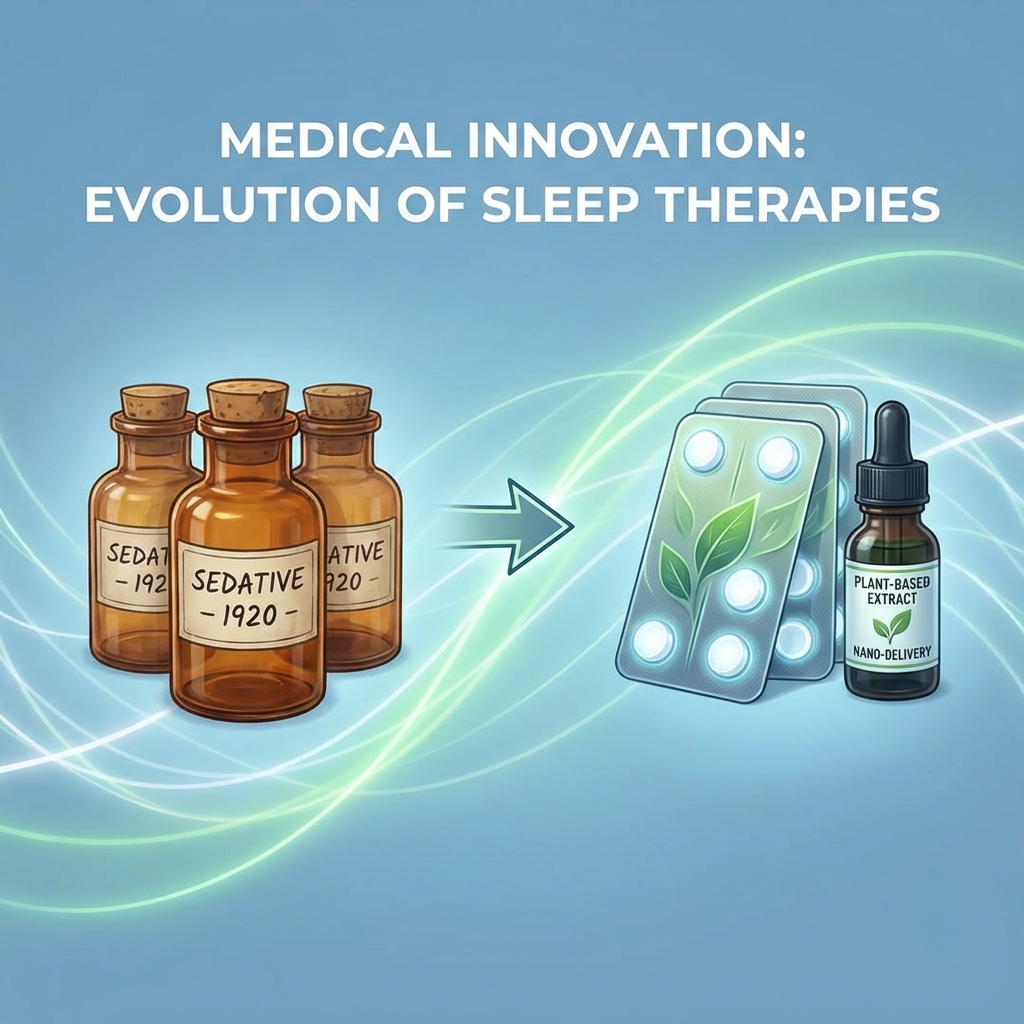
For decades, the "solution" to insomnia was often a blunt instrument: older sedatives like benzodiazepines or 'Z-drugs'. While effective for some, they came with risks of dependency, daytime grogginess, and diminishing returns.
In 2025, the Australian landscape for sleep medicine is shifting dramatically towards clearer, more sustainable options.
1. The DORA Revolution
You may have heard of "turning off the wake switch" rather than just knocking you out. This is the promise of Dual Orexin Receptor Antagonists (DORAs).
Unlike older sedatives that depress the entire central nervous system, DORAs target the specific chemical (orexin) that keeps you awake. Medications like suvorexant (Belsomra) and lemborexant (Dayvigo) represent this targeted approach, arguably allowing for a more natural sleep architecture without the "hangover" effect.
2. Plant-Based Medicine Goes Mainstream
What was once alternative is now adjacent to conventional practice.
Leading institutions like Monash Health have conducted significant trials into plant-based therapies for insomnia, validating their role in episodic and chronic sleep issues. For many Australians, prescribed natural therapies offer a preferred middle ground—potent enough to help, but derived from natural origins.
3. Personalised Prescribing
The "one pill fits all" days are over. Doctors are now looking at:
- Sleep Phenotypes: Are you a "trouble falling asleep" person or a "trouble staying asleep" person?
- Comorbidities: Do you have anxiety? Pain?
- Lifestyle: Do you do shift work?
At Fade Medical, our doctors utilize this full spectrum of modern treatments. We don't just hand out scripts; we match the mechanism of the medication to the mechanism of your insomnia.
Curious about modern options? Speak to a doctor who understands the new science of sleep.