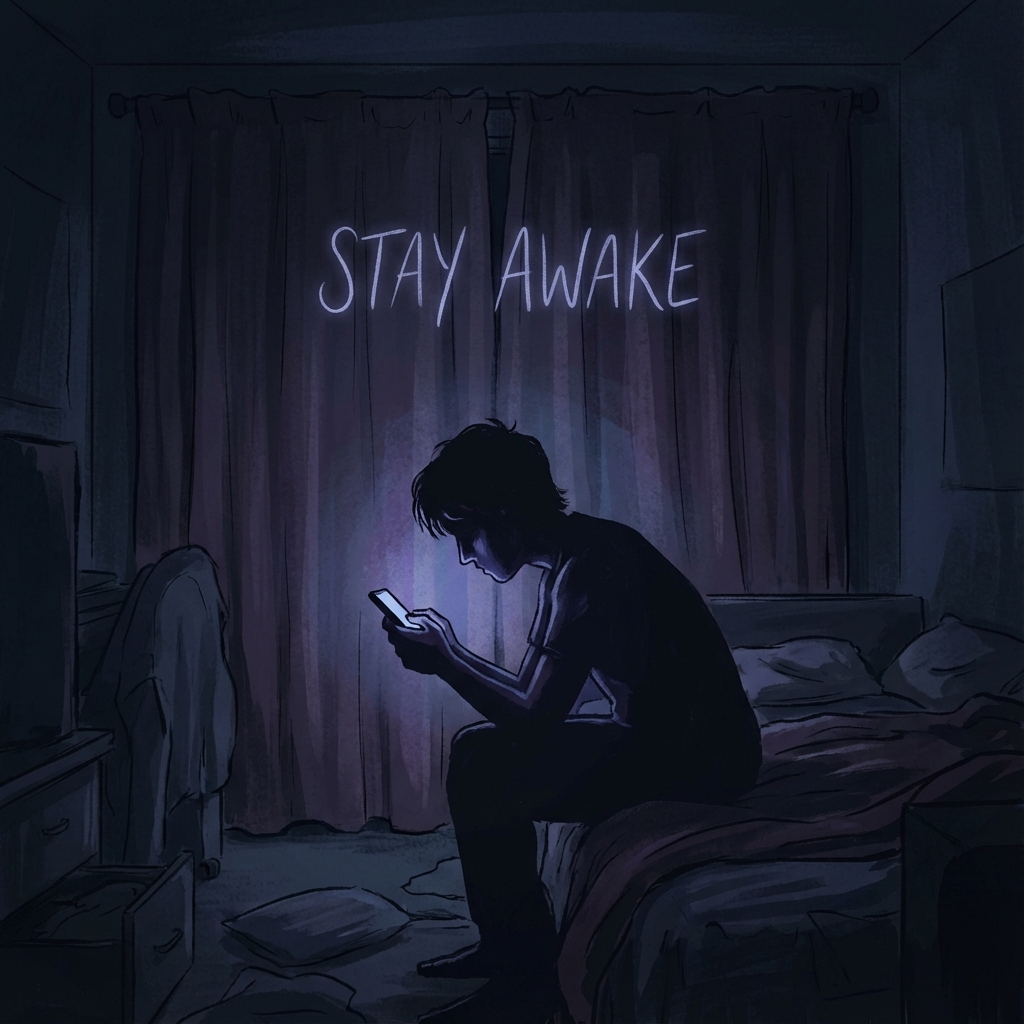
It’s 11 PM. You are exhausted. You know you should sleep. But instead, you open Netflix. Or TikTok. Or start a new video game level.
You aren't necessarily doing anything important, but you just cannot bring yourself to go to bed.
This phenomenon has a name: Revenge Bedtime Procrastination.
What is Revenge Bedtime Procrastination?
The term translates from the Chinese "bàofùxìng áoyè." It refers to a phenomenon where people who have little control over their daytime life refuse to go to sleep early in order to regain some sense of freedom during late-night hours.
It is "revenge" against a daytime schedule that feels stolen from you.
Signs You Are Doing It
- You are tired. This isn't insomnia where you can't sleep; you are choosing not to.
- You know it's bad for you. You are aware of the consequences, but you do it anyway.
- Your days are packed. You likely have a high-stress job or busy family life with little "me time."
The Psychology Behind It
At its core, this is a mechanism for psychological regulation. If your entire day is spent working for a boss, caring for kids, or doing chores, your brain craves autonomy. The night becomes the only time that belongs solely to you.
Giving up that time to sleep feels like giving up your only freedom.
How to Break the Cycle
1. Reclaim "Me Time" During the Day
This is the most important step. If you starve yourself of leisure during the day, you will binge on it at night. Even 15 minutes of purely selfish time during the day can lower the psychological need for revenge at night.
2. Create a "Power Down" Ritual
Set a strict boundary between "Day Mode" and "Night Mode." Change your clothes, dim the lights, and put the phone away 30 minutes before bed.
3. The "Two Alarms" Technique
Set an alarm for when to start getting ready for bed, not just when to sleep. When it rings, you don't have to sleep immediately, but you must stop "active" consumption (e.g., turn off the TV).
4. Address the Daytime Burnout
Often, bedtime procrastination is a symptom of burnout. If you feel you have no control over your life, sleep hygiene tips won't save you. You may need to look at your workload and boundaries.
Conclusion
Sleep is not a chore to be avoided. It is the ultimate act of self-care. By finding small pockets of freedom during the day, you can stop stealing time from your future self at night.