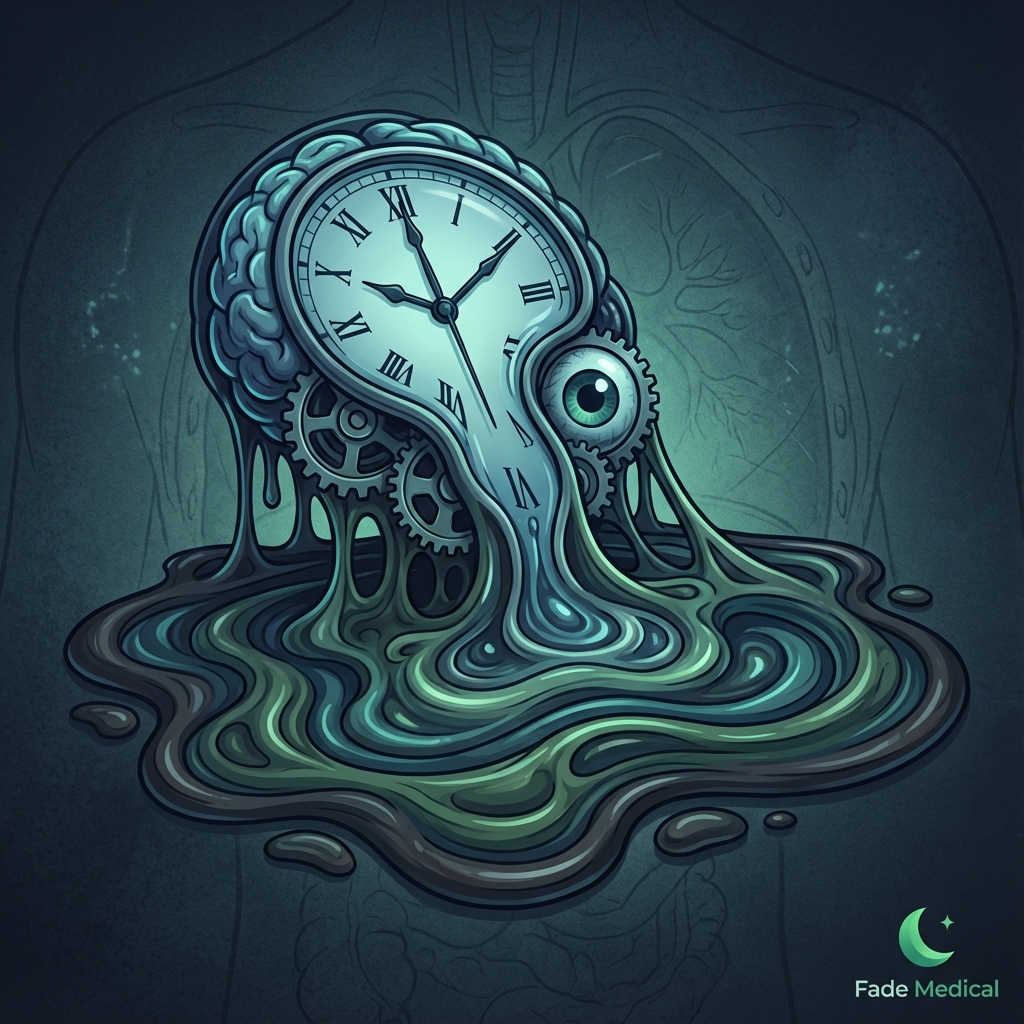
We all have the occasional sleepless night. Stress, travel, or a late coffee can keep anyone awake. But when sleeplessness becomes the norm, it transforms from a nuisance into a medical condition known as chronic insomnia.
What is Chronic Insomnia?
Medical professionals typically define chronic insomnia as:
- Difficulty falling asleep or staying asleep.
- Occurring at least 3 nights a week.
- Lasting for 3 months or longer.
- Causing significant distress or impairment in daily life.
The Impact on Your Health
Sleep isn't a luxury; it's a biological necessity. Chronic sleep deprivation has been linked to:
- Mental Health Issues: Increased risk of anxiety and depression.
- Physical Health Risks: Higher rates of heart disease, diabetes, and high blood pressure.
- Cognitive Decline: Poor memory, lack of focus, and reduced reaction times.
When to Seek Help
If you've tried improving your "sleep hygiene"—cutting caffeine, darkening your room, sticking to a schedule—and you're still staring at the ceiling, it's time to see a doctor.
The Role of Authorised Prescribers
General Practitioners (GPs) are a great starting point, but some doctors specialize in sleep disorders and alternative treatments. At Fade Medical, our network of TGA-authorised prescribers focuses specifically on patients who have exhausted standard options.
They can assess whether your insomnia is a standalone issue or a symptom of something else, and determine if plant-based therapies might be an appropriate next step.
Don't resign yourself to sleepless nights. Book a consultation and take the first step towards better health.